Business Name: BeeHive Homes of Amarillo
Address: 5800 SW 54th Ave, Amarillo, TX 79109
Phone: (806) 452-5883
BeeHive Homes of Amarillo
Beehive Homes of Amarillo assisted living is ideal for those who value their independence but require help with some of the activities of daily living. Residents enjoy 24-hour support, private bedrooms with baths, medication monitoring, home-cooked meals, housekeeping and laundry services, social activities and outings, and daily physical and mental exercise opportunities. Beehive Homes memory care services accommodates the growing number of seniors affected by memory loss and dementia. Beehive Homes offers respite (short-term) care for your loved one should the need arise. Whether help is needed after a surgery or illness, for vacation coverage, or just a break from the routine, respite care provides you peace of mind for any length of stay.
5800 SW 54th Ave, Amarillo, TX 79109
Business Hours
Monday thru Sunday: 9:00am to 5:00pm
Facebook: https://www.facebook.com/BeehiveAmarillo/
YouTube: https://www.youtube.com/@WelcomeHomeBeeHiveHomes
Families seldom begin looking at assisted living neighborhoods because whatever is calm and foreseeable. Generally there has actually been a fall, a medical facility stay, a roaming occurrence, or a sluggish build-up of small concerns that no longer feel small. The instant instinct is to resolve the issue in front of you: "We need a safe location where Mom can get aid with showers and medications."
That impulse is reasonable, however it is likewise where lots of people make their biggest mistake. They look for what their parent needs this month, not what they are most likely to require 3, five, or 8 years from now. The result is preventable disruption, unforeseen costs, and unpleasant moves at the very point when stability matters most.
Future-proof senior care begins with asking a various concern: not simply "Is this a good assisted living home for today?" but "Will this community still fit if things get more complicated?"
Drawing on what I have actually seen in senior care over several years, including both outstanding and deeply problematic placements, here is how to assess an assisted living home with an eye on the long arc of aging, not just the present moment.
Understanding how requirements generally alter over time
Every individual ages in their own way, yet specific patterns appear so often that disregarding them is risky. When households only look at existing needs, they undervalue how quick the care image can change.
Most residents who move into assisted living need aid with a handful of things: perhaps medication tips, meal preparation, housekeeping, or some support with bathing and dressing. They are normally still social, still able to promote themselves, and often still driving or at least directing their own days.
Over the years, several elements tend to shift:
- Mobility gradually declines. Someone who walks independently today might require a walker in a couple of years, and a wheelchair after that. Stairs become a barrier, long hallways become exhausting, and fall threat rises. Medical intricacy boosts. A resident may start with well-controlled diabetes and high blood pressure, then establish heart failure or COPD, or need anticoagulation, or go through a stroke or a joint replacement, each including tracking and care tasks. Cognitive changes creep in. Mild lapse of memory can advance to substantial amnesia, confusion, or dementia. Behaviors like wandering, agitation, or nighttime wakefulness might appear. Continence and personal care requires change. Toileting assistance, incontinence care, and more hands-on help with bathing, grooming, and dressing usually increase. Emotional and social requirements develop. Pals at the community die or move away. A partner passes. A once-outgoing resident may end up being withdrawn or depressed.
When you tour an assisted living neighborhood, you are meeting it during the honeymoon stage: your parent is brand-new, staff are trying to impress, and requirements are relatively modest. A better test is this: "If my parent is two times as frail as they are now, would this location still work?"
That frame of mind moves what you focus to.
Levels of care: what can stay, what must move
The terms "assisted living," "memory care," and "competent nursing" sound clear, but they are not standardized in practice. Each state licenses these differently, and each operator defines its own limitations.
For future-proof planning, you wish to understand 2 things really specifically: how far the neighborhood can increase assistance, and where their difficult stop lies.
In lots of areas, you will experience three broad tiers:
Assisted living for residents who need help with activities of daily living, however do not need 24/7 nursing. Memory care, either as a different locked system within the same community or as a different building, for citizens with dementia who require more guidance and a structured environment. Skilled nursing (nursing homes) for homeowners with intricate medical requirements that require continuous nursing evaluation, regular treatments, or rehab services.The difficulty is that "assisted living" can indicate really various things. Some structures can manage sliding-scale insulin, catheter care, two-person transfers, or hospice coordination. Others can not. Some memory care systems are effectively assisted dealing with a door lock, barely geared up to manage severe behavioral requirements. Others are genuinely specialized, with qualified staff, individualized programming, and strong medical partners.
Ask specifically:

- What kinds of care can not be provided here, even with outside aid? At what point would my parent be needed to relocate to a greater level of care? Are there residents here who are on hospice? Who use wheelchairs full time? Who require 2 staff to assist move? If my parent eventually requires memory care, do you provide it within this neighborhood, or would they move to a various structure or provider?
A future-proof choice is not necessarily the one that can do whatever, but the one that is clear and sincere about its limits, and that has a practical, caring plan for citizens whose requirements grow.
The anatomy of a flexible care plan
A static care plan is a warning. Aging is vibrant, so senior care must be too. When a community treats the care strategy as documentation done at move-in and reviewed just throughout crisis, homeowners either get insufficient assistance or pay for services they do not use.
Look for a care preparation process that has several traits.
First, it needs to be multidisciplinary. The nurse, caregivers, activities staff, and ideally a relative ought to have input. I have beinged in a lot of meetings where the care plan reflected just what the intake nurse saw on a single afternoon, never the family's truths or the frontline staff's observations.
Second, it ought to be scheduled for routine evaluation, not simply "as needed." Every six months is decent, every 3 months is better, and any hospitalization or significant health modification ought to trigger an interim review. Ask how often care plans alter for present homeowners, and what generally prompts an adjustment.
Third, the care strategy need to be detailed enough to tell a new caregiver what "assist with bathing" really implies. Does your parent need cueing, or hands-on assistance? Exist safety issues or choices, such as water temperature level, use of grab bars, or modesty problems? The more accurate the documents, the more consistently your parent will get care as staff turnover happens, which it undoubtedly will.
Finally, the community ought to be able to scale services without drama. If your parent begins requiring assistance at night instead of simply throughout the day, or shifts from partial to complete help with dressing, you want those modifications to be workable changes, not reasons to recommend moving out.
Staffing: the quiet predictor of future quality
Floor plans and chandeliers do not change the standard math of care. People do. Whenever I ask families what mattered most to them in retrospection, staffing quality and stability always sit at the top of the list.
You can hear a lot about future versatility by asking direct, sometimes uncomfortable questions about staff:
- What is the caregiver-to-resident ratio on days, nights, and nights? How often are nurses physically in the structure? Are they on-site 24/7 or on call after particular hours? What is your annual staff turnover rate? What about for the executive director, nurse leader, and frontline caregivers? How many company or temperature employees do you count on in a typical month? How do you ensure consistent training in dementia care, fall avoidance, and infection control?
A community with steady leadership and low turnover typically adapts much better to locals' changing needs. Personnel know the residents, notice subtle declines, and can change routines before emergency situations take place.
Conversely, a building that looks complete of energy throughout your tour, but quietly depends on rotating temp staff and constant hiring, may have a hard time when your parent's requirements become more intricate. The care intend on paper will sound outstanding, however the real, daily care will be inconsistent.
Watch, too, how caregivers interact with existing locals as you walk. Do they speak respectfully? Usage names? React quickly to call lights? A personnel that deals with present locals well is more likely to advocate when your parent requires extra attention or a new method to care.
Medical support and partnerships: who is really seeing the health curve
Assisted living is not a health center or a full medical facility, however it sits at the intersection of housing and health care. The method a community manages that intersection has huge ramifications for long-lasting stability.
The key question is not whether there is a medical professional in the building every day. It seldom occurs. The more appropriate questions concern how medical oversight is organized and how responsive it is.
Ask whether there is an associated medical care practice that sees citizens on-site. Lots of progressive communities partner with geriatricians or nurse practitioner groups who perform routine rounds in the structure. This assists catch concerns early: weight reduction, medication negative effects, subtle cognitive changes.
Equally important is the community's relationship with home health, hospice, treatment providers, and healthcare facilities. A future-proof assisted living home ought to currently have strong pathways for:
- Home health nursing visits after a hospitalization Physical, occupational, or speech therapy provided on-site Smooth shifts to and from respite care or rehab stays Hospice services incorporated into the resident's apartment
When these relationships work, a resident can typically stay in familiar surroundings through severe illness, rather than being bounced repeatedly in between health center, rehab, and long-lasting care. That stability matters as much for families as for the elder.
The role of respite care in testing fit and flexibility
Respite care is often treated as a side service, something households might utilize for a week or two during a caretaker holiday or after surgery. Utilized attentively, it ends up being a low-risk method to test a neighborhood's capability to adapt to real-world needs.
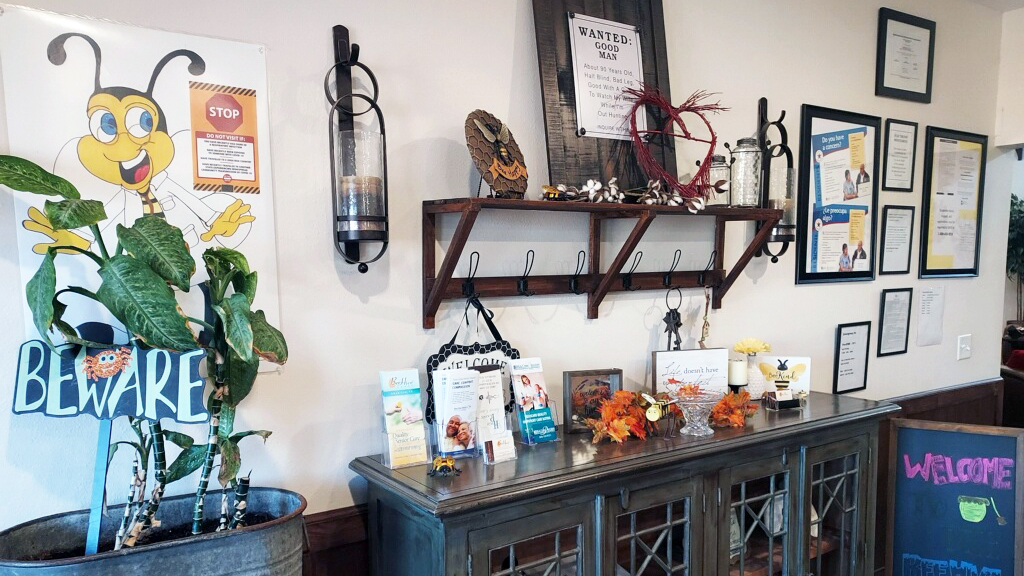
A short-term respite stay lets you see how staff handle medication changes, sleep disturbances, movement concerns, or behavioral quirks in practice, not simply guarantee. It exposes whether the "we can absolutely manage that" you heard throughout the tour translates into real competence.
When you organize respite care, take note of process more than polish. Notification how the community gathers info about your parent: do they ask detailed concerns, or just basic demographics and diagnoses? Do they take interest in your parent's habits, regimens, and worries?
During and after the stay, respite care observe how interaction streams. Did they notify you promptly to any problems or modifications? Were they open to your feedback? If you heard "we do not usually do it that way" more than when, that is a sign that flexibility might be limited.
If a neighborhood deals with respite care with consideration, excellent documentation, and very little drama, it is a positive indication that they can respond to changes when your parent lives there full-time.
Environment and design that age gracefully
Architects love to flaunt grand lobbies, high ceilings, and elegant amenities. Those features may catch a buyer's eye in a hotel, however in elderly care they are less important than practical style that still works when somebody is 10 years older and significantly more fragile.
When you stroll through, picture your parent slower, less steady, perhaps utilizing a walker or wheelchair, maybe more quickly confused.
Watch for things like:
- The range from apartment or condos to dining-room, activity areas, and outside areas. Long corridors that feel fine at 78 ended up being intimidating at 88. The number of changes in flooring, limits, or small actions that can catch a foot or walker wheel. Handrail placement, lighting levels, and contrast in between flooring and wall colors, which assist individuals with visual or cognitive decline navigate safely. Built-in features such as walk-in showers with seating, get bars, and sufficient area for two people if one day your parent requires hands-on assistance. Quiet areas that are not their house, where somebody with dementia can sit without being overstimulated by noise or crowds.
Also take a look at memory hints. Exist clear space numbers and tailored cues on doors? Are corridors appreciable, or does every corner appearance identical? Locals with cognitive loss frequently do far better in environments with visual anchors: colored doors, special artwork, small household-style layouts.
A structure does not need to appear like a medical facility to be safe. The sweet area is a home-like environment that is subtly, attentively engineered for a large range of physical and cognitive abilities.
Activities and social structure that can bend with ability
When individuals tour an assisted living home, they often glance at the activity calendar to make sure there is "adequate to do." That tells just a portion of the story. The real question is whether the social life of the neighborhood adjusts as locals slow down, lose hearing, or establish dementia.
A future-proof program has layers: group activities for active residents, smaller and quieter options, and individually engagement for those who can no longer join groups. It also recognizes that interests change. Somebody who loved bingo at 75 might be tired by it at 85 yet still respond warmly to music, mild conversation, or time in a garden.
Ask how the group approaches citizens who rarely leave their spaces. Do they make customized efforts, or simply mark them "not interested"?
Look at who is really getting involved, not simply what is offered. Are the most frail residents visible in the common areas at all, with some level of assistance, or do they appear invisible? Communities that purchase bringing engagement to residents, instead of anticipating residents constantly to come to them, adapt better to increasing frailty.
This is not practically lifestyle. Social seclusion can accelerate cognitive and physical decrease. A well-run activity program is a kind of preventive care.
Money, designs, and preventing financial traps
Future-proofing senior care is not simply clinical. It is monetary. Families are regularly shocked by how billing structures work as soon as requires increase.
Assisted living pricing typically follows among three models:
- All-inclusive, where a flat monthly rate covers space, board, and a broad package of services. Tiered, where locals pay a base rate plus surcharges for specified "levels" of care. A la carte, where each specific service, from medication management to escorts to meals, carries a separate fee.
None of these is naturally excellent or bad. The essential thing is to comprehend how costs will move as care intensifies.
Ask for concrete examples, not simply brochures. What did a resident pay when they relocated with light assistance, and what do they pay three years later with moderate needs? How does the neighborhood deal with scenarios where someone outlives their funds? If they accept Medicaid, what is the procedure and exist limited Medicaid-designated apartments?
I have seen households who chose a low base rate neighborhood, only to be shocked later by an ever-growing list of small line products: help to the dining room, aid with listening devices, additional laundry. The reverse likewise happens: a greater extensive rate that initially seems expensive ends up being stable and foreseeable over many years, especially for those with quickly increasing needs.
Future-proof options think about not just "Can we afford this this year?" however "What takes place if we need two times as much care and we are still here?"
Family involvement and communication as needs change
Even in the very best assisted living neighborhoods, what families do or do not ask for makes a distinction. A culture that invites, rather than tolerates, family participation is one of the clearest indicators that a home will handle change well.
During your examination, focus on whether personnel seem protective when you ask detailed concerns. A strong neighborhood will respond with specifics, not vague peace of minds. They welcome household into care conferences, not just when there is a problem but as a routine part of planning.
Notice how they communicate about events and modifications. Do they tell you without delay if your loved one has a fall, even without injury? Do they keep you updated on weight changes, sleep disruptions, or new habits that recommend discomfort or infection?
The objective is a collaboration. Households know the elder's history, character, and choices. Staff see the everyday patterns and small shifts. Future-proof senior care happens when those two sources of understanding are woven together, not when either side operates in isolation.
A focused list for future-proof evaluation
Use this short list during trips and conversations, not as a scorecard, but as prompts for deeper discussion.
- Does the community clearly discuss what care they can not supply and when a resident must move? How frequently are care plans reviewed, and who takes part in that procedure? What is the staff turnover rate, and how steady has leadership been in the last three to 5 years? How does the neighborhood handle hospitalizations, rehab stays, and the combination of home health, treatment, or hospice? Can they offer particular examples of citizens who have "aged in place" there for several years through increasing needs?
The method staff address these concerns will reveal more about their capacity to adapt than any glossy brochure.
When moving two times is better than selecting poorly once
Families in some cases feel enormous pressure to discover "the permanently place" on the first shot. That pressure can result in stalemates or to enduring poor fit since "moving again later on would be horrible."
There is truth because concern. Moves are disruptive, and older grownups can decline after each shift. Yet holding on to a bad match just because it might be "the last relocation" typically backfires. A neighborhood that looks future-proof on paper however is weak in culture, communication, or everyday care will not all of a sudden enhance as your parent's needs deepen.
Sometimes the best course is staged: a smaller assisted living community for a few years, then a transfer into a campus with integrated memory care, or from a private-pay setting to one that takes part in Medicaid once long-lasting financial resources are clearer. The key is to pick each action intentionally, with an eye on the likely next one, instead of seeing every decision as irreversible.
An unusual however important edge case includes couples with really different needs. One partner might need memory care, while the other still drives, cooks, and socializes. In these situations, future-proofing frequently suggests prioritizing campus-style settings where both assisted living and memory care are available in close distance, even if it indicates some compromise on other preferences. Keeping spouses connected, rather than throughout town in different centers, matters exceptionally over time.

Bringing everything together
Choosing an assisted living home is not simply about granite counter tops, restaurant-style dining, or a busy activity calendar. It is a choice about how your parent will weather the storms that have not yet arrived: a broken hip, an unexpected confusion episode, a progressive dementia, a slow slide in strength and stamina.
Future-proof senior care rests on a handful of core realities. Needs will change. Crises will take place. Finances will progress. What you are truly selecting is a partner because uncertainty.
When you find a neighborhood that is sincere about its limits, disciplined in its care preparation, thoughtful in its design, stable in its staffing, well connected to medical partners, and available to household cooperation, you are not simply fixing today's issue. You are constructing a structure around your parent's life that can flex, change, and react as the years unfold.
That is what it suggests to choose an assisted living home that genuinely adapts to changing needs, and it is among the most concrete presents you can offer to both your loved one and to yourself.
BeeHive Homes of Amarillo provides assisted living care
BeeHive Homes of Amarillo provides memory care services
BeeHive Homes of Amarillo provides respite care services
BeeHive Homes of Amarillo supports assistance with bathing and grooming
BeeHive Homes of Amarillo offers private bedrooms with private bathrooms
BeeHive Homes of Amarillo provides medication monitoring and documentation
BeeHive Homes of Amarillo serves dietitian-approved meals
BeeHive Homes of Amarillo provides housekeeping services
BeeHive Homes of Amarillo provides laundry services
BeeHive Homes of Amarillo offers community dining and social engagement activities
BeeHive Homes of Amarillo features life enrichment activities
BeeHive Homes of Amarillo supports personal care assistance during meals and daily routines
BeeHive Homes of Amarillo promotes frequent physical and mental exercise opportunities
BeeHive Homes of Amarillo provides a home-like residential environment
BeeHive Homes of Amarillo creates customized care plans as residents’ needs change
BeeHive Homes of Amarillo assesses individual resident care needs
BeeHive Homes of Amarillo accepts private pay and long-term care insurance
BeeHive Homes of Amarillo assists qualified veterans with Aid and Attendance benefits
BeeHive Homes of Amarillo encourages meaningful resident-to-staff relationships
BeeHive Homes of Amarillo delivers compassionate, attentive senior care focused on dignity and comfort
BeeHive Homes of Amarillo has a phone number of (806) 452-5883
BeeHive Homes of Amarillo has an address of 5800 SW 54th Ave, Amarillo, TX 79109
BeeHive Homes of Amarillo has a website https://beehivehomes.com/locations/amarillo/
BeeHive Homes of Amarillo has Google Maps listing https://maps.app.goo.gl/avxAXn336jPCWXwv7
BeeHive Homes of Amarillo has Facebook page https://www.facebook.com/BeehiveAmarillo/
BeeHive Homes of Amarillos has YouTube channel https://www.youtube.com/@WelcomeHomeBeeHiveHomes
BeeHive Homes of Amarillo won Top Assisted Living Homes 2025
BeeHive Homes of Amarillo earned Best Customer Service Award 2024
BeeHive Homes of Amarillo placed 1st for Senior Living Communities 2025
People Also Ask about BeeHive Homes of Amarillo
What is BeeHive Homes of Amarillo Living monthly room rate?
The rate depends on the level of care that is needed. We do an initial evaluation for each potential resident to determine the level of care needed. The monthly rate is based on this evaluation. There are no hidden costs or fees
Can residents stay in BeeHive Homes of Amarillo until the end of their life?
Usually yes. There are exceptions, such as when there are safety issues with the resident, or they need 24 hour skilled nursing services
Does BeeHive Homes of Amarillo have a nurse on staff?
No, but each BeeHive Home has a consulting Nurse available 24 – 7. if nursing services are needed, a doctor can order home health to come into the home
What are BeeHive Homes of Amarillo visiting hours?
Visiting hours are adjusted to accommodate the families and the resident’s needs… just not too early or too late
Do we have couple’s rooms available?
Yes, each home has rooms designed to accommodate couples. Please ask about the availability of these rooms
Where is BeeHive Homes of Amarillo located?
BeeHive Homes of Amarillo is conveniently located at 5800 SW 54th Ave, Amarillo, TX 79109. You can easily find directions on Google Maps or call at (806) 452-5883 Monday through Sunday 9:00am to 5:00pm
How can I contact BeeHive Homes of Amarillo?
You can contact BeeHive Homes of Amarillo Assisted Living by phone at: (806) 452-5883, visit their website at https://beehivehomes.com/locations/amarillo, or connect on social media via Facebook or YouTube
Take a short drive to the Cellar 55 It offers a warm and inviting atmosphere making it a great destination for assisted living, memory care, senior care, elderly care, and respite care residents to enjoy a relaxed, flavorful meal together.